Cryogenic air separation plants (also called air separation units, ASUs) are large-scale industrial facilities that produce high-purity oxygen, nitrogen, and often argon by liquefying and distilling atmospheric air. These units compress, purify, then cool air to cryogenic temperatures so its components boil off at different points (nitrogen boils at –196 °C, oxygen at –183 °C)cryospain.comnewtekgas.com. The cryogenic process yields ultra-pure gases (typically ≥99% O₂ and N₂) in very large volumes – for example, modern ASUs can generate 100–5,000+ tons per day (TPD) of oxygenmathesongas.comnewtekgas.com. By contrast, non-cryogenic generators (PSA/VPSA or membrane) are limited to much lower flow rates and purities. Cryogenic plants dominate the global industrial gas market – approximately 60% of worldwide ASU capacity is cryogenic technologyfuturemarketinsights.com. (Citing that market share, analysts project the global ASU market to grow from about $6.8 billion in 2025 to $11 billion by 2035futuremarketinsights.com.) Modern cryogenic ASUs run continuously (uptime often >99%)mathesongas.com and are designed for heavy-duty service in steelmaking, petrochemicals, power generation, and other industries. Their widespread adoption and evolving efficiency have made them the cornerstone of high-purity gas supply in heavy industrycryospain.comfuturemarketinsights.com.
Cryogenic units differ from ambient-temperature separation (PSA/VPSA or membrane) mainly in scale and purity. They operate at elevated pressures (typically 5–10 bar for compressed air)cryospain.com and very low temperatures, using multi-column fractional distillation to split air. This yields nearly pure nitrogen (often >99.99%) and high-purity oxygen (99–99.7% or more)newtekgas.com. For example, one large U.S. ASU builds on NASA data on air composition, compressing it and using a four-column distillation train to produce 99.9999% N₂ and >99% O₂mathesongas.commathesongas.com. In practice most industrial ASUs target ~99.5% O₂ and ~99+% N₂ as standard. The cryogenic method also co-produces liquid oxygen (LOX), liquid nitrogen (LIN), and liquid argon if needed. By contrast, VPSA oxygen plants (vacuum pressure swing adsorption) typically produce about 80–93% O₂ purityvpsatech.com, while nitrogen membrane systems yield 95–99.5% N₂organomation.com. Thus only cryogenic ASUs can deliver the ultra-high-purity streams demanded by heavy industries and enable liquid-product storage and transportation.
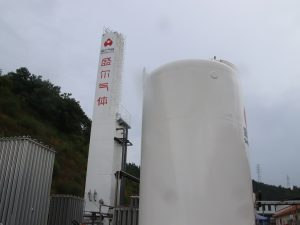
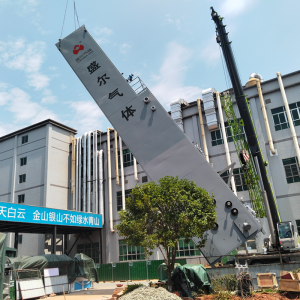
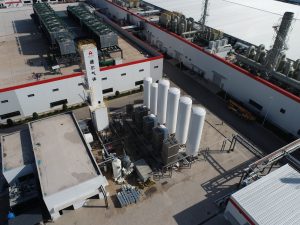
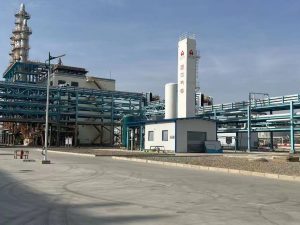
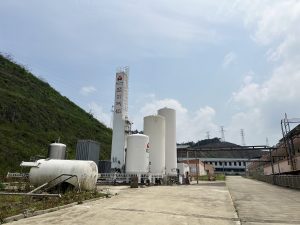
Cryogenic ASUs handle thousands of tons of air each day, cooling it to –185 °C or colder and distilling it into oxygen, nitrogen, and argon. Their large size and multi-column design allow unmatched separation performance. (Image: Example of a cryogenic air separation plant.) Air is first compressed to about 5–10 barcryospain.com and scrubbed of moisture/CO₂, then progressively cooled in heat exchangers to liquefy. The cold, liquid air enters tall distillation columns where nitrogen vaporizes off at the top and oxygen collects at the bottomcryospain.commathesongas.com. By carefully controlling reflux and pump stages, ASUs can extract high-purity oxygen (commonly 99.5–99.7%) and nitrogen (often >99.9%)newtekgas.com. Advanced designs, like Messer’s CryoGOX, even pump liquid O₂ to high pressure (up to ~20 bar) internally, eliminating separate compressors and enabling cost-effective LIN recoveryapplications.messergroup.comapplications.messergroup.com. In practice, large cryogenic plants often incorporate a liquefier or expanders to lower temperature and recover energy, further improving efficiency.
Global Market and Major Applications
Cryogenic ASUs are vital worldwide, especially in regions with heavy steel, chemical, and energy industries. Market analysts forecast robust growth in Asia, North America and the Middle East as demand for high-purity industrial gases risesfuturemarketinsights.comfuturemarketinsights.com. For example, leading suppliers report multi-hundred-thousand TPD ASU orders for China and India’s expanding steel mills and petrochemical hubs. A 2022 case exemplifies this: INOX Air Products built a new onsite ASU at ArcelorMittal Nippon Steel’s Hazira plant in India to support its steel expansion from 7.2 to 8.6 million tons/year. The 15-month project (faster than typical) delivered 700 TPD of gaseous O₂ and 300 TPD N₂prnewswire.com, adding to a complex already exceeding 9,000 TPD total gas output. This large-scale oxygen supply enables high-volume Basic Oxygen Furnace (BOF) and Electric Arc Furnace (EAF) operations in steelmaking. Similarly, Germany’s Linde announced a multi-million‑euro cryogenic ASU for ArcelorMittal’s Eisenhüttenstadt millgasworld.com, designed to feed both gaseous and liquid oxygen/nitrogen to the integrated steel plant, illustrating the synergy between ASUs and major metal producers.
- Steelmaking: The steel industry is a top consumer of ASU oxygen. Blast furnaces, basic oxygen furnaces, electric arc furnaces and ladle heaters use pure O₂ to boost temperatures and efficiency. (For instance, a BOF typically injects 70–100% pure O₂ to oxidize carbon in molten iron.) Cryogenic ASUs on-site ensure a constant, large-volume supply. In one case study, a steelworks required nearly 9,000 tons per day of total oxygen/nitrogen, driving construction of multiple ASUsprnewswire.com. Modern steelmaking shifts (e.g. oxy-fuel burners, direct reduction processes) further emphasize the need for high-purity O₂newtekgas.com.
- Chemical & Petrochemical: Refineries, ammonia and methanol plants, and other chemical processes often use pure oxygen for oxidation or gasification steps. For example, partial oxidation of heavy hydrocarbons and waste treatment plants rely on oxygen to increase yields. Cryogenic ASUs provide the purity and scale required, and frequently co-supply nitrogen for inert atmospheres.
- Energy & Power: In power generation, ASUs supply oxygen for integrated coal-gasification combined-cycle (IGCC) plants and oxy-fuel combustion systems aimed at carbon capture. High-pressure LOX from ASUs can be burned in turbines to increase efficiency and reduce nitrogen oxide emissions. Additionally, nitrogen from ASUs is used for turbine blade cooling and inerting. As one industry guide notes, ASUs can furnish “high-purity oxygen for use in combustion processes in power plants and steel mills”cryospain.com, linking cryogenic gas supply directly to energy sector needs.
- Other Industries: Large-scale cryogenic units also support glassmaking (oxygen-enriched flames), electronics (ultra-pure gases for semiconductors), and healthcare (medical oxygen in bulk). Across these sectors, the global reach of cryogenic ASUs is vast – leading equipment makers and gas companies (e.g. Linde, Air Liquide, Air Products, Messer, Taiyo Nippon Sanso) service markets from East Asia to Europe and the Americasfuturemarketinsights.com.
Technical Characteristics of Cryogenic Plants
Cryogenic air separation plants are engineered for continuous, high-demand service with precise technical specifications:
- Purity: Standard cryogenic ASUs routinely output 99–99.7% pure oxygen and 99.9%+ nitrogennewtekgas.com. (Ultra-high purity variants can reach >99.9% O₂ for semiconductor or pharmaceutical usenewtekgas.com.) In practice many plants specify 99.5–99.7% O₂. These levels far exceed what PSA/VPSA or membrane units can provide. (For comparison, VPSA oxygen is typically 90–93% purevpsatech.comnewtekgas.com and membrane N₂ up to 99.5%organomation.com.)
- Pressure: Air intake compressors raise pressure to around 5–10 bar gaugecryospain.com. After separation, oxygen is usually delivered at 0.5–10 bar, though booster pumps can raise it to ~20 bar (as in the Messer CryoGOX designapplications.messergroup.com). Nitrogen is often output at similar or higher pressures. This high-pressure output is compatible with pipeline networks or reactor feed conditions.
- Capacity: Cryogenic ASUs are large. Small plant trains start at a few hundred Nm³/h (≈10 TPD), while multi-column units exceed 5,000 Nm³/h (≈200 TPD). Indeed, Matheson notes modern cryogenic units can produce 100 to over 5,000 tons per day (TPD) of O₂mathesongas.com. By contrast, typical VPSA units cap out in the low thousands of Nm³/htewincryo.com and membrane N₂ generators in the hundreds of Nm³/h.
- Temperature: Key cryogenic setpoints are around –185°C to liquefy oxygen and argon, and –196°C for nitrogen. Heat exchangers and expanders (turbines) in the cold box remove heat to reach these temperatures. Column internals (trays or packing) fractionate the liquid air, aided by reflux circulations.
- Energy Consumption: Cryogenic ASUs are energy-intensive. Typical power usage is on the order of 0.4–0.6 kWh per Nm³ of O₂ (input air basis)applications.messergroup.com. To illustrate, Messer’s CryoGOX design specifies ~0.40–0.55 kWh/Nm³applications.messergroup.com. This is substantially higher than for VPSA (≈0.2–0.3 kWh/Nm³tewincryo.com) or membrane systems. (The high consumption largely comes from air compression and refrigeration.) However, ASUs can recover energy via expanders and optimized heat exchange cycles, and they co-produce refrigeration (in the form of liquid nitrogen) that can be used or sold. Engineers note that “significant electricity consumption” is a key operating cost for cryogenic plantsnewtekgas.com, and operators adjust plant designs (e.g. by adding nitrogen reflux) to trade off purity against efficiency.
- Reliability and Control: Cryogenic ASUs are highly automated and require skilled oversight. Modern plants use distributed control systems (DCS) and often remote monitoring. For example, Matheson reports that its ASUs are monitored 24/7 from a central operations centermathesongas.com. Messer’s designs emphasize automatic control: all valves and process adjustments can be handled remotelyapplications.messergroup.com. When running at steady state, cryogenic units are very stable (Matheson quotes >99% uptimemathesongas.com), but they do require careful maintenance of cold-box and compressors.
- Co-Products: In addition to gas phase products, most large ASUs supply liquid oxygen, nitrogen, and argon stored on-site in cryogenic tanks. This liquid production adds flexibility for customers. (E.g., some steel plants receive both pipeline O₂ and bulk LOX deliveries.) The ASU design often includes cold turbines and fractionators specifically to produce liquid streams for backup or distribution.
Comparison to VPSA and Membrane Technologies
Cryogenic ASUs are generally compared with non-cryogenic generators (VPSA/PSA for oxygen, membrane for nitrogen). Key differences include:
- Separation Method: Cryogenic plants use distillation at low temperaturescryospain.com. VPSA oxygen generators use adsorption in pressurized vessels with vacuum desorptionvpsatech.com, and membrane systems use gas permeation through polymer fibers.
- Gas Purity: Cryogenics deliver highest purities (O₂: 99–99.7% standard, >99.9% achievablenewtekgas.com; N₂: >99.9%). VPSA/PSA oxygen tops out around 90–95%newtekgas.com. Membrane nitrogen typically yields 95–99.5%organomation.com. Thus, any need for ultra-high purity (>99%) or liquid oxygen favors cryogenic separationnewtekgas.comnewtekgas.com.
- Capacity & Scale: Cryogenic ASUs are suited for very large volumes. Even “small” cryogenic trains produce hundreds of Nm³/h O₂newtekgas.com, while multi-column plants reach tens of thousands Nm³/h. VPSA units typically deliver hundreds to low thousands of Nm³/h O₂newtekgas.comtewincryo.com. Membrane N₂ modules are modular and often serve low to medium flows (tens to hundreds Nm³/h). Rule-of-thumb: if demand is above ~400–1,000 Nm³/h, cryogenics become most economicalnewtekgas.comnewtekgas.com.
- Energy Consumption: Cryogenic oxygen generation is most energy-intensive (~0.4–0.6 kWh/Nm³)applications.messergroup.com due to refrigeration. VPSA oxygen uses moderately less (~0.2–0.3 kWh/Nm³tewincryo.com). Membrane nitrogen is relatively energy-efficient for lower purities. (Lower required purity and no refrigeration means PSA/VPSA and membrane often have ~0.1–0.3 kWh/Nm³ electricity.)
- Pressure & Delivery: All systems compress ambient air, but cryogenic ASUs often deliver higher pressures (post-booster up to 10–20 barapplications.messergroup.com), suitable for pipeline or process injection. VPSA oxygen plants can compress product to a few bar (often ~6–8 bar)tewincryo.com. Membrane N₂ output is typically limited by the feed pressure (usually 4–10 bar).
- Flexibility: Cryogenic ASUs produce both gas and liquids and can co-produce argon or even helium (if included). VPSA and membrane units produce only gas. Cryogenic units have longer start-up times (hours) and are less load-responsive, whereas PSA/VPSA can start in minutes and are easily cycled for variable demand.
Table: Typical Comparison of Air Separation Technologies
| Characteristic | Cryogenic ASU (distillation) | VPSA/PSA (O₂) | Membrane (N₂) |
|---|---|---|---|
| Method | Cryogenic distillation (multi-column) | Vacuum/pressure swing adsorption | Polymer membrane permeation |
| Oxygen Purity | ~99–99.7% (standard)newtekgas.com (up to >99.9%) | ~90–93% (peak 95%)newtekgas.com | N/A (primarily N₂ product) |
| Nitrogen Purity | ~99.9%+ (often >99.99%) | N/A (residual) | 95–99.5%organomation.com |
| Capacity (Flow) | High: ~300–20,000+ Nm³/h (O₂)newtekgas.com (10^2–10^3 TPD) | Medium: ~100–5,000 Nm³/htewincryo.com | Low–Medium: tens–hundreds Nm³/h |
| Output Pressure | Up to ~10–20 bar (with pumps)applications.messergroup.com | ~0.5–0.8 MPa (5–8 bar)tewincryo.com | ~5–10 bar (limited by feed pressure) |
| Energy Use | High (~0.4–0.6 kWh/Nm³ O₂)applications.messergroup.com | Moderate (~0.28 kWh/Nm³ O₂)tewincryo.com | Low–moderate (~0.1–0.3 kWh/Nm³ N₂) |
| Turn-up Time | Long (hours to cool down) | Fast (minutes) | Fast (minutes) |
| Application Scale | Large-scale bulk gas (steel, chemicals, energy) | Small–medium oxygen needs (wastewater O₂, small plants) | On-site nitrogen for inerting, instrument labs |
| Typical CapEx/Opex | High (complex plant, tall columns)newtekgas.com | Lower (modular, short lead time) | Lowest (simple skid) |
| Availability | Very high (>99% uptime typical)mathesongas.com | High | High |
These figures illustrate why cryogenic plants are chosen for heavy-industry needs: they achieve unparalleled purity and volume (even providing liquid gas), at the expense of greater capital and power. In contrast, VPSA or membrane units are compact and cheaper, but only meet moderate gas demands or lower purity requirements.
Challenges and Innovations
Designing and operating large cryogenic ASUs presents challenges that drive ongoing innovation:
- Energy and Efficiency: The huge power draw of ASUs (often tens of MW) makes energy efficiency a priority. Engineers optimize heat exchanger networks (e.g. multi-stream cold boxes), use high-efficiency expanders, and sometimes integrate thermal storage or pump loops to reduce duty. New column internals and advanced control algorithms help approach theoretical minimum work. Research continues into novel cycles – for example, single-column or split-feed designs that cut energy use. (One study claims a single-column ASU with nitrogen reflux can cut energy by ~30% over traditional designs.)
- Automation and Control: Modern ASUs are among the most automated chemical plants. Distributed control systems (DCS) manage dozens of compressors, valves and tower internals. Plants increasingly use digital “twin” simulations for tuning and predictive maintenance. For example, standardized PLC sequences handle the complex valve switching of VPSA bedsvpsatech.com, and similarly ASU controls coordinate multi-stage compressors and column reflux. Remote monitoring is common; suppliers report central-control centers overseeing ASUs worldwidemathesongas.comapplications.messergroup.com. This reduces onsite staffing and allows condition-based maintenance.
- Integration with Processes: ASUs often must integrate seamlessly with downstream units. In a steel mill, the oxygen output must match furnace schedules; in a gasification plant, the ASU may tie into gasifiers and syngas cleanup trains. Designers now focus on turnkey integration: e.g. supplying both gaseous O₂ and LOX with synchronized liquefier modules. Some innovations include variable-pressure distillation for load-following, and co-location of ASUs with renewable power sources to lower carbon footprint. For energy storage, cryogenics themselves are used: liquid air energy storage systems leverage similar technology.
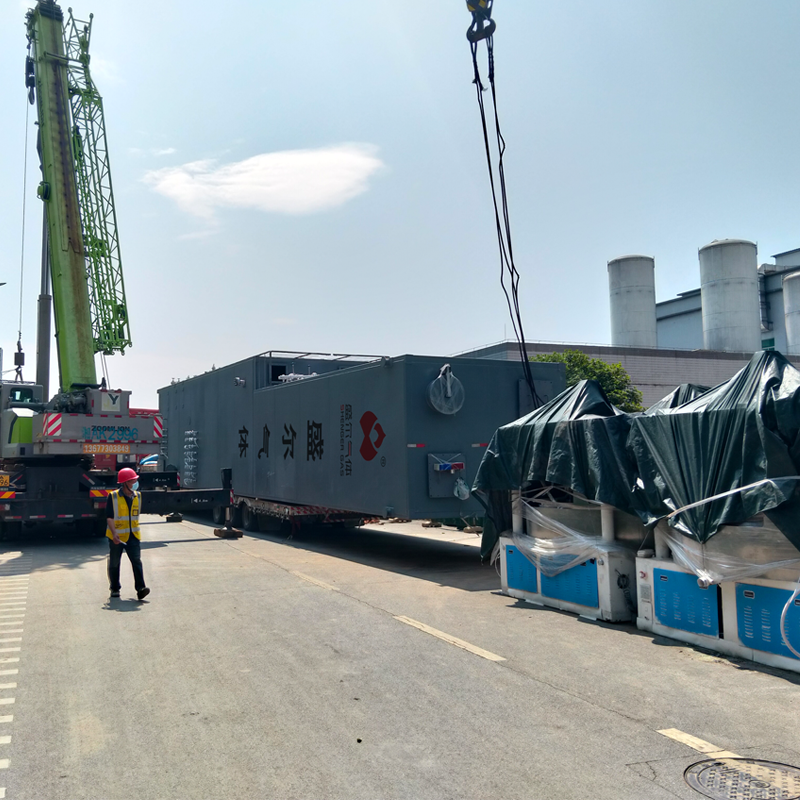
- Modularity and Speed: To overcome long lead times, manufacturers offer modular ASU skids for medium-scale needs. Such packages are pre-assembled cryogenic trains that can be brought to site for faster installation. In our case study, INOXAP completed a 700 TPD oxygen/nitrogen unit in just 15 monthsprnewswire.com, half the usual schedule, by streamlined engineering and concurrent construction. Industry analysts predict a trend toward more modular/scalable ASUs (projected ~38–42% of new projects) in the next 3–5 yearsfuturemarketinsights.com.
- Safety and Materials: Handling cryogens demands rigorous safety systems. New materials (e.g. aluminum cold boxes, low-temperature welds) and oxygen-clean component design mitigate hazards. Automated vent systems and boil-off handling ensure any overpressure is safely relieved. Regulations require detailed documentation of refrigerant usage and emissionsfuturemarketinsights.com, spurring digital record-keeping and leak-detection sensors.
- Supply Chain and Construction: Building a cryogenic plant involves heavy, specialized equipment (turbo-expanders, distillation columns, air compressors). Project teams face challenges in logistics and installation. A recent report notes that long lead times for specialty compressors or columns can delay projectsfuturemarketinsights.com. To address this, industry players stock critical spares and establish global engineering networks. Some firms pursue “AS-a-Service” models, where an industrial gas company builds and operates the ASU at a customer site, allowing the end-user to focus on production.
In summary, while cryogenic ASUs are mature technology, companies continually refine their design for greater efficiency, reliability, and integration. Advances in digital controls and modular fabrication are making plants easier to build and run, while research into novel thermodynamic cycles aims to cut power use. Meanwhile, alternatives like VPSA and membranes carve out niches for smaller or less purity‑critical applications, but no other method matches cryogenics for bulk, ultra-pure production.
Conclusion and Future Outlook
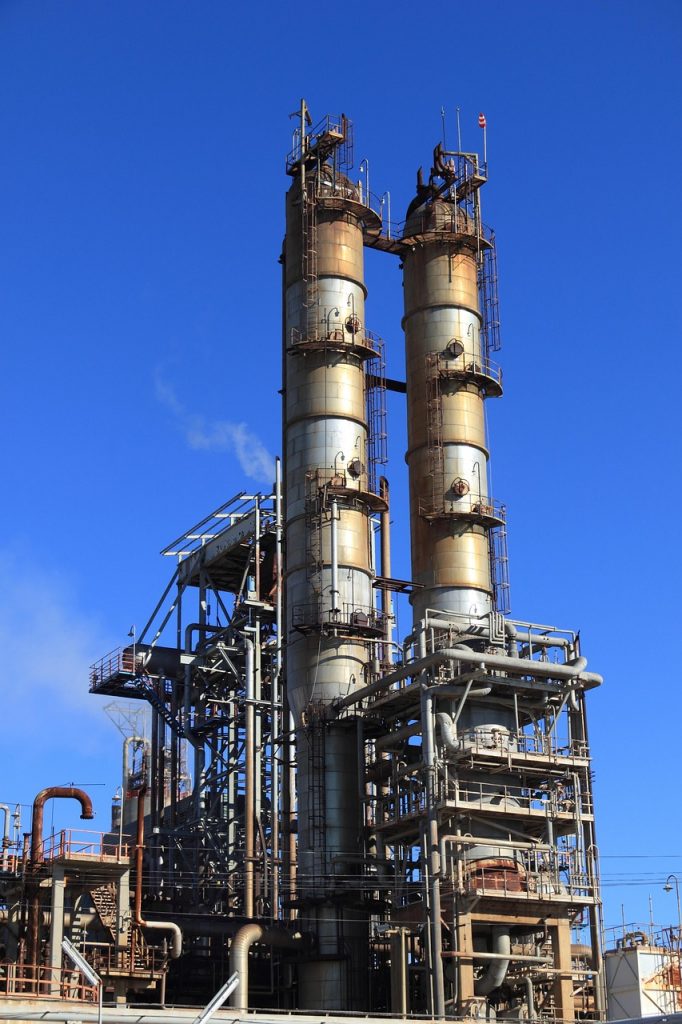
Cryogenic air separation plants will continue to be indispensable in heavy industry for the foreseeable future. As global steel output grows and decarbonization efforts (e.g. hydrogen-based steel, oxy-combustion power, blue hydrogen production) advance, the demand for high-purity oxygen and nitrogen is risingfuturemarketinsights.comfuturemarketinsights.com. Analysts forecast the ASU market to expand steadily (nearly 5% CAGR through 2035futuremarketinsights.com), with cryogenic units retaining a majority share. Future trends include modular ASUs and digital monitoring (accelerating deployment) and integration with low-carbon energy systemsfuturemarketinsights.com. For instance, tying ASUs to renewable electricity or capturing waste cold from liquefied natural gas (LNG) plants are emerging strategies to lower the carbon footprint of oxygen/nitrogen supply.
Moreover, the increasing importance of specialty gases (semiconductor-grade O₂, high-purity N₂ for pharmaceuticals) and the hydrogen economy (oxygen co-production from electrolysis) will keep pushing cryogenic technology toward higher purity and flexibility. Even as PSA and membrane systems become more efficient, they cannot rival cryogenic ASUs in sheer scale and purity for the most demanding applications. Thus, cryogenic air separation plants remain the backbone of critical industries, enabling higher productivity and cleaner processes. With ongoing innovation in efficiency and control, these plants are poised to meet future industrial gas needs while adapting to tighter energy and environmental constraintsfuturemarketinsights.comnewtekgas.com.