Affordable Nitrogen Generators for Industrial Use allow factories and laboratories to produce nitrogen on-site instead of relying on delivered liquid nitrogen or cylinders. In many industrial sectors, nitrogen gas is essential for processes such as packaging, inerting, and metal fabrication. The demand for affordable nitrogen generators has grown as companies seek cost-effective on-site gas production. Three primary technologies make on-site nitrogen generation possible: Pressure Swing Adsorption (PSA), membrane separation, and cryogenic distillation. Each method produces nitrogen with different purity levels, flow capacities, and costs. Below, we compare PSA, membrane, and cryogenic nitrogen generators, explain how each works, and discuss their use cases across key industries including food packaging, pharmaceuticals, electronics, and metal fabrication.
Pressure Swing Adsorption (PSA) Nitrogen Generators
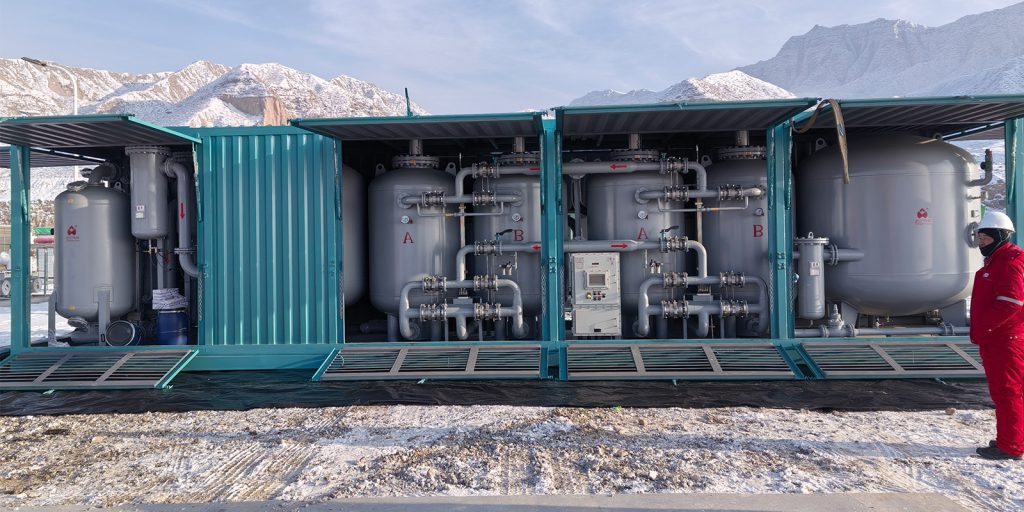
How PSA Works: As one of the most common types of Affordable Nitrogen Generators for Industrial Use, PSA nitrogen generators use the principle of adsorption to extract nitrogen from compressed air. A typical PSA system has dual adsorption towers filled with carbon molecular sieve (CMS) adsorbent. Compressed air is introduced into one tower under pressure, where oxygen, moisture, and other trace gases are trapped (adsorbed) by the CMS, allowing a stream of nitrogen to exit as the product gas. Meanwhile, the other tower regenerates by depressurizing and purging out the adsorbed oxygen. The system switches towers in a cycle (pressure “swinging” between high and low) to provide a continuous supply of nitrogen. This robust design allows PSA units to reliably produce high-purity nitrogen on demand.
Purity and Performance: PSA generators can achieve nitrogen purities from around 95% up to 99.999% (five nines). This wide purity range covers everything from general inerting applications to ultra-high-purity needs in electronics or pharmaceutical production. However, producing very high purity (above ~99.9%) with PSA can reduce overall output and increase energy use, as the adsorption cycle may need to be longer or use additional towers to capture nearly all oxygen. In practice, PSA systems are valued for providing a good balance of high purity and moderate cost. They also offer flexible output – units are available for small laboratory scale (a few cubic meters per hour) up to large industrial systems producing hundreds or thousands of cubic meters per hour of nitrogen. Typical startup time for a PSA generator is relatively short (15–30 minutes to reach specified purity), which is convenient for facilities that do not operate 24/7.
Cost and Maintenance: In terms of affordability, PSA nitrogen generators have a medium initial cost and low operating cost for most purity levels. They require a quality air compressor and air dryer (to prevent moisture or oil from fouling the adsorbent), which add to system cost. Still, PSA units are often more economical long-term than buying bulk nitrogen, especially for users needing high purity. Power consumption mainly comes from the air compressor; roughly 0.3–0.6 kWh of electricity is used per cubic meter of nitrogen produced (the lower end for ~99% purity, higher for ultra-high purity). Maintenance requirements are modest: there are valves and control systems cycling the towers, and the CMS adsorbent typically lasts 5–10 years before replacement (assuming clean intake air). Aside from periodic filter changes and checks on valves, PSA systems can run continuously with minimal downtime. Overall, PSA technology is a reliable choice for industries that need affordable nitrogen generators with relatively high purity and steady flow.
Common Uses: Because of their ability to achieve high purity and decent flow rates, PSA nitrogen generators see broad use in food and beverage packaging, pharmaceutical manufacturing, electronics fabrication, and other applications requiring clean, dry nitrogen. For example, food processors use PSA units to produce 99%+ purity nitrogen for flushing snack packages (keeping oxygen levels low to extend shelf life). Pharmaceutical companies often rely on PSA generators for blanketing reactors or product storage with inert gas at high purity, ensuring no oxidation or moisture contamination. In electronics and semiconductor production, PSA systems provide ultra-pure nitrogen (99.99% or higher) to prevent oxidation during soldering, wafer processing, and component assembly. In metal fabrication, PSA generators can supply high-pressure, high-purity nitrogen for laser cutting systems to achieve oxide-free cuts on stainless steel and other metals. In all these cases, PSA offers on-site convenience and long-term cost savings, making it an affordable nitrogen generator solution when high performance is required.As a result, PSA-based Affordable Nitrogen Generators for Industrial Use are often specified as the standard nitrogen source in new plant designs and brownfield upgrades.
Membrane Nitrogen Generators
How Membrane Separation Works: Membrane-based nitrogen generators are another category of Affordable Nitrogen Generators for Industrial Use and use hollow fiber membrane modules to separate nitrogen from compressed air.Each module contains thousands of tiny polymer fibers that act as a selective barrier. Fast gases like oxygen, carbon dioxide, and water vapor permeate through the membrane walls more readily, while nitrogen (a slower diffusing gas) remains on the high-pressure side and flows out as the product. In operation, dry compressed air is fed into the membrane unit; an oxygen-enriched air stream (permeate) is vented out, and a nitrogen-enriched stream comes out the other end. By adjusting parameters such as inlet pressure, flow rate, and the number of membrane modules in parallel, the system can deliver nitrogen at the desired purity and flow.
Purity and Performance: Membrane generators are best suited for moderate nitrogen purity levels, typically 95–99%. Achieving purities at the high end of this range (99% or above) will reduce the nitrogen output flow because more air has to be sacrificed (vented) to scrub out the oxygen. Most membrane systems operate economically in the 95–98% purity range, which is adequate for many inerting and blanketing tasks. The maximum purity achievable with standard membranes is about 99.5%, but pushing to that extreme often isn’t cost-effective compared to PSA technology. Membrane systems excel in speed and simplicity: they can start producing usable nitrogen within minutes (often <5 minutes startup), since there is no cycling or complex cooling required. The footprint of a membrane generator is generally compact – no large pressure vessels – making it easy to install in small plants or even mount on mobile skids. While single-module units might produce on the order of a few to a few hundred cubic meters per hour, membrane setups can be scaled by adding modules in parallel to increase capacity. In practice, membrane generators are favored for small to medium flow requirements and where simplicity is a priority.
Cost and Maintenance: For users looking for affordable nitrogen generators, membrane systems are typically the lowest in upfront cost. The equipment is relatively straightforward – mainly an air compressor, pretreatment filters, and the membrane module rack. Operational costs are also low, especially at lower purities, because the compressed air usage is efficient up to ~98% N₂. There is no electrical power needed beyond running the air compressor (and perhaps a booster if high delivery pressure is needed). Unlike PSA, membranes do not involve moving parts like switching valves, so maintenance is minimal. The primary maintenance tasks are replacing intake filters and occasionally the membrane cartridges after several years (membrane fibers can slowly degrade or foul over time, typically having a lifespan of 5–10 years depending on air quality). Membrane systems are generally very robust if fed with clean, dry air; they handle slight moisture or contaminants better in the short term than PSA (which could have its adsorbent poisoned), though proper air drying is still crucial for longevity. Overall, membranes offer a plug-and-play, low-touch solution and are often the most affordable nitrogen generators for applications that do not demand extremely high purity.
Common Uses: Membrane nitrogen generators find use in industries and situations where purity requirements are modest and reliability and low cost are key. For instance, in food packaging of products like grains, produce, or beverages, nitrogen around 95–98% is often sufficient to displace oxygen and preserve freshness. A membrane unit can economically supply this nitrogen on-site for smaller food producers or breweries. In the pharmaceutical field, membranes may be used for less critical nitrogen needs – e.g. purging equipment or blanketing storage tanks – when ~98% purity is acceptable. Metal fabrication shops, particularly those doing laser cutting of carbon steel, sometimes use membrane generators to provide inert gas (around 95% N₂) to blow away molten metal and prevent excessive oxidation during cutting. Membranes are also common for fire prevention systems (filling rooms or containers with ~95% nitrogen to reduce fire risk) and for inerting pipelines or tanks in the oil and gas industry. Because of their compactness and quick startup, membrane generators are ideal for mobile or remote operations – for example, providing inert gas on-demand at an oilfield site or for emergency pipeline purging. Whenever a In summary, cryogenic generators are chosen for industrial use when ultra-high purity and massive flow rates are non-negotiable.straightforward, affordable nitrogen generator is needed for medium-purity needs, membrane technology is a strong candidate.For smaller facilities and remote sites, membrane-style Affordable Nitrogen Generators for Industrial Use provide a compact, low-maintenance alternative to bulk liquid deliveries.
Cryogenic Nitrogen Generators
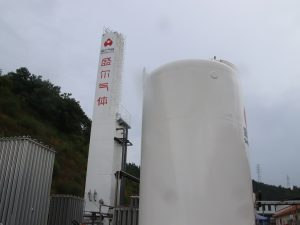
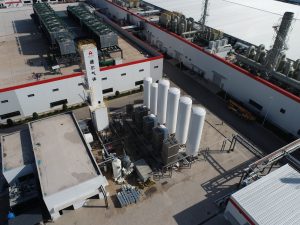
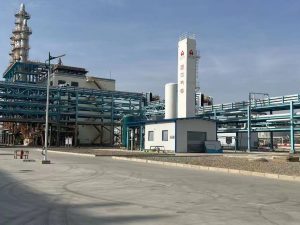
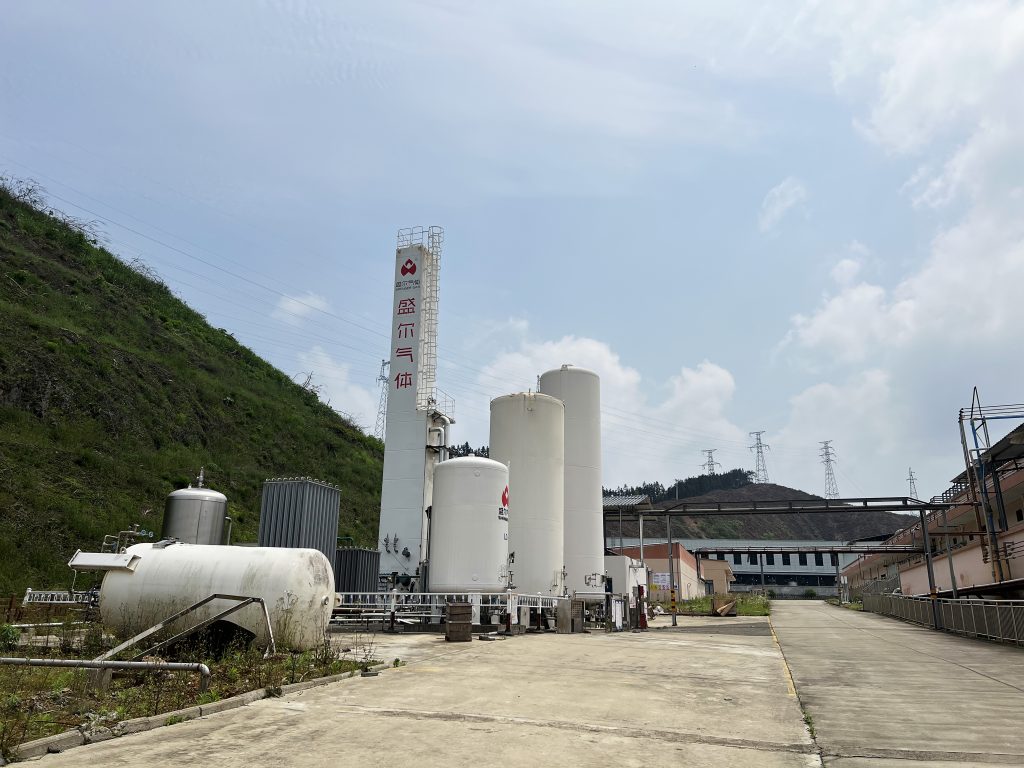
How Cryogenic Generation Works: Cryogenic nitrogen generators, while not always viewed as Affordable Nitrogen Generators for Industrial Use at small scales, produce nitrogen by extracting it from the air through liquefaction and distillation – the same basic process used in large industrial air separation plants. In a cryogenic system, ambient air is first heavily filtered and compressed, then cooled to extremely low temperatures using refrigeration cycles until it liquefies. Liquid air is then distilled in tall cryogenic distillation columns: since nitrogen has a lower boiling point (−196°C) than oxygen (−183°C), it separates out as the top fraction in the distillation process. The system collects high-purity liquid nitrogen, which can be stored in insulated tanks or evaporated back to gas for use. Cryogenic generators often run continuously, as the process needs to maintain very cold temperatures; startup from warm conditions can take several hours to stabilize. These setups are essentially miniature air separation units designed for on-site nitrogen supply, capable of also producing liquid oxygen or argon as byproducts if needed.
Purity and Performance: Cryogenic technology is unmatched in producing high purity and high volume nitrogen. Purities of 99.999% and above are routinely achieved, and the product can be delivered as gas or as liquid nitrogen. Unlike PSA or membranes, a cryogenic plant does not have the same purity limitations – it will easily meet ultra-high purity specs needed for semiconductor fabrication, pharmaceutical APIs, or aerospace applications. Cryogenic systems are also the go-to choice for very large nitrogen demands, typically in the thousands of cubic meters per hour. They scale well for big industrial sites: for example, a cryogenic plant might supply 5,000–10,000 Nm³/h of nitrogen (and can be built much larger), which would be impractical for a PSA or membrane setup. However, cryogenic generators are not aimed at small-scale use – their efficiency and cost benefits usually only manifest at high output levels. The process also offers versatility: the ability to store nitrogen as a liquid can be useful for backup supply or for processes requiring liquid N₂ (like cryogenic freezing or shrink-fitting of metal parts). The trade-off for this exceptional performance is the complexity and scale of equipment involved.
Cost and Maintenance: Cryogenic nitrogen generators have the highest capital cost of the three technologies and also significant operating costs. They require heavy-duty compressors, expansion turbines, cryogenic heat exchangers, distillation columns, and a lot of insulation and safety systems – all of which contribute to a high upfront price and a large physical footprint. Installation and commissioning of a cryogenic plant is a major project, often taking months to a year for larger units. Operating a cryogenic generator is energy-intensive due to the refrigeration step; producing 1 cubic meter of 99.999% pure nitrogen might consume roughly 0.6–0.8 kWh of electricity (about double the energy per unit compared to a PSA at 99% purity). These systems are generally run continuously to avoid the inefficiency of frequent cooldown cycles. Maintenance requires skilled technicians: the equipment is complex (pumps, turbines, cryogenic valves, etc.) and must be kept in good working order to prevent downtime. Regular inspections, leak checks, and overhauls of rotating machinery are part of the maintenance schedule. Clearly, cryogenic plants are not “small” or simple, so they are only justified when the volume requirements are very large or when absolutely highest purity or liquid product is needed on site. In those cases, the cost per unit of nitrogen can become quite low due to economies of scale, making cryogenic generation the most economical choice for large industries despite the high upfront cost. But for many users with moderate needs, cryogenic systems would not be considered affordable nitrogen generators compared to PSA or membrane options.
Common Uses: Cryogenic nitrogen generation is typically found in heavy industries and large-scale production facilities. Petrochemical plants, refineries, and steel manufacturing complexes often have their own cryogenic air separation units to supply huge quantities of nitrogen (and oxygen) for their processes. For example, in steelmaking, nitrogen is used to purge and protect molten metal from oxidation, requiring high volumes and purity that a cryogenic plant can deliver. Similarly, big chemical plants might use nitrogen at various points (as a purge gas, to inert storage tanks, or to regenerate catalysts) and consume thousands of cubic meters per hour, a demand most cost-effectively met by cryogenic generation. Some pharmaceutical and semiconductor manufacturing sites that have exceptionally high nitrogen purity and usage requirements will also install on-site cryogenic generators or have bulk liquid nitrogen delivered (which is produced by cryogenic methods off-site). Outside of those very large-scale cases, most other industries find PSA or membrane systems more practical. In summary, cryogenic generators are chosen for industrial use when ultra-high purity and massive flow rates are non-negotiable. In integrated complexes such as refineries and steel mills, cryogenic-based Affordable Nitrogen Generators for Industrial Use are frequently tied into site-wide utility systems to secure both nitrogen and oxygen supply.Otherwise, more affordable nitrogen generators like PSA and membrane units typically suffice for small and mid-scale needs.

Comparison of Nitrogen Generator Technologies
Each nitrogen generation technology used in Affordable Nitrogen Generators for Industrial Use has distinct strengths and is suited to particular scales and purity needs. The table below summarizes key specifications and differences for PSA, membrane, and cryogenic nitrogen generators:
| Feature | PSA Nitrogen Generators | Membrane Nitrogen Generators | Cryogenic Nitrogen Generators |
|---|---|---|---|
| Nitrogen Purity Range | ~95% up to 99.999% | ~95% up to ~99% (typically 95–98% optimal) | 99.999%+ (ultra-high purity achievable) |
| Typical Flow Rate | Small to medium: 5–3,000+ Nm³/h (scalable modular systems for higher flows) | Small to medium: 1–500 Nm³/h per system (can parallel modules for higher flow, but efficiency drops at high volumes) | Large-scale: 1,000+ Nm³/h (efficient at very high volumes; industrial plants can produce 5,000–10,000+ Nm³/h) |
| Startup Time | ~15–30 minutes to purity | ~3–5 minutes (almost instant on) | Hours (long cool-down; meant for continuous operation) |
| Initial Investment | Medium: requires pressure vessels and compressor system | Low: simple setup with compressor and membrane modules | High: complex plant with cryogenic equipment and infrastructure |
| Operating Costs | Low to Moderate: efficient for most purity levels; energy use rises at ultra-high purity | Low: most cost-efficient up to ~98% purity; increasing purity above ~99% greatly raises air demand | High: energy-intensive (refrigeration and compression); best economy is at large scale continuous operation |
| Maintenance | Moderate: periodic adsorbent replacement (5–10 year life) and valve upkeep; standard industrial maintenance | Minimal: few moving parts; mainly filter changes and membrane replacement after several years | Complex: requires expert maintenance for compressors, cryogenic pumps, and turbines; scheduled overhauls needed |
| Ideal Use Cases | Broad use for on-site gas in food packaging, pharma, electronics, metal fabrication where high purity or significant volumes are needed affordably | Great for medium-purity applications and simple installations: e.g. food processing, fire prevention, tire inflation, laser cutting (carbon steel), and portable nitrogen supply | Heavy industries with very high demand: e.g. chemical plants, steel mills, large semiconductor fabs; also when liquid nitrogen production or extremely high purity is required |
Table: Comparison of PSA, Membrane, and Cryogenic nitrogen generation technologies, in terms of purity, capacity, cost, and maintenance.
As shown above, membrane systems generally offer the lowest cost and simplest operation but are limited in purity and volume. This trade-off is central when engineers compare different Affordable Nitrogen Generators for Industrial Use and select the most appropriate technology for a given duty.PSA generators cover a wide range of applications with higher achievable purity, making them a versatile choice for many factories seeking affordable nitrogen generators with consistent performance. Cryogenic plants, while delivering the highest purity and throughput, are justified only for large-scale needs due to their complexity and expense.
Applications in Key Industries
Nitrogen gas is used across diverse industries to improve product quality, safety, and longevity. Below are key industry sectors and how they leverage Affordable Nitrogen Generators for Industrial Use – highlighting which technology is often preferred in each case:
Across these sectors, Affordable Nitrogen Generators for Industrial Use are gradually replacing traditional cylinder banks and liquid tanks as the primary nitrogen source.
- Food Packaging: In this sector, Affordable Nitrogen Generators for Industrial Use allow producers to displace oxygen in packaged foods such as chips, nuts, coffee, and prepared meals in order to extend shelf life and maintain product freshness.Membrane generators are often sufficient for food packaging needs since a 95–99% nitrogen atmosphere can dramatically slow spoilage without the expense of ultra-high purity. Smaller food producers appreciate the low cost and simplicity of membrane systems. However, larger facilities or those requiring higher purities (e.g. infant formula or sensitive products) may opt for PSA generators set to ~99.9% purity for extra protection against oxidation and microbial growth. Both PSA and membrane technologies provide affordable, food-grade nitrogen on demand, helping food companies reduce ongoing gas costs.By installing Affordable Nitrogen Generators for Industrial Use directly beside packaging lines, food producers can stabilize gas quality, reduce logistics risk, and respond quickly to demand peaks.
- Pharmaceuticals: Pharmaceutical manufacturing and biotech industries utilize nitrogen for inerting reactors, purging oxygen from storage vessels, and packaging medicines under an inert atmosphere. These applications often demand high-purity, reliable nitrogen to avoid any risk of oxidation or degradation of sensitive compounds. PSA nitrogen generators are commonly employed in pharmaceutical plants because they can deliver 99%+ purity with a stable flow, ensuring compliance with strict quality standards. PSA systems also allow flexibility to scale capacity as production grows. In cases where only moderate purity is needed for non-critical uses (like instrument purging or some utility operations), membrane units might be used, but generally the pharma sector prefers the robust purity assurance of PSA. On-site generation improves supply security for pharma companies, and over time it is more affordable than trucking in bulk liquid nitrogen, especially for mid-scale production sites.For GMP-regulated environments, on-site Affordable Nitrogen Generators for Industrial Use can be fully qualified and validated, giving quality teams better oversight than with third-party bulk supply.
- Electronics Manufacturing: The electronics and semiconductor industries require extremely pure nitrogen gas for processes such as soldering, wave solder reflow ovens, PCB assembly, and semiconductor wafer fabrication. Nitrogen prevents oxidation and keeps moisture away during delicate manufacturing steps. PSA generators (or even small cryogenic plants for the largest fabs) are the go-to solution here, because electronics often call for 99.99%–99.999% purity levels. For instance, in soldering of circuit boards, using high-purity nitrogen in reflow ovens yields cleaner solder joints and reduces defects. A PSA system provides a continuous supply of this high-purity nitrogen on-site, which is more economical than relying on high-pressure cylinder packs or liquid dewars. Smaller electronics manufacturers might get by with slightly lower purity (e.g. 99.9%), which a PSA or a high-end membrane system can produce, but as product sensitivities increase, the ultra-pure output of PSA technology becomes indispensable. The cost savings and quality improvements make on-site generation an affordable and smart investment in the electronics sector.In high-reliability electronics, Affordable Nitrogen Generators for Industrial Use help maintain consistent soldering atmospheres from shift to shift, which directly improves long-term field performance of finished products.
- Metal Fabrication: Metal fabrication processes like laser cutting, metal 3D printing, and heat treating use nitrogen to prevent oxidation and achieve clean results. In laser cutting, a high-pressure stream of nitrogen blows molten metal from the cut zone and shields the metal from oxygen, resulting in oxidation-free edges. The nitrogen purity needed can range from ~95% for some mild steel cutting to 99.99% for high-precision stainless steel cutting. Membrane generators can fulfill the lower purity end (they are used by some fabrication shops for cutting and blanketing with ~95–98% N₂ at relatively low operating cost). For higher-end laser cutting and advanced manufacturing requiring very pure gas, PSA generators are preferred since they can deliver 99.9%+ purity and sufficient flow for multiple lasers running concurrently. Additionally, metal heat-treatment furnaces may use nitrogen (sometimes mixed with hydrogen or other gases) to create controlled atmospheres; on-site PSA units can supply this demand reliably. In all these cases, having an in-house nitrogen generator reduces the need for stored high-pressure bottles and ensures a steady supply. Fabricators find that affordable nitrogen generators give them more control over their operations and lower their per-part gas costs, which is crucial in a competitive industry.Workshops that upgrade to in-house Affordable Nitrogen Generators for Industrial Use often report lower cutting gas costs per meter and fewer interruptions compared with cylinder bundles.
Conclusion
Selecting the right nitrogen generation technology comes down to matching the system’s capabilities with the specific needs of your operation. Affordable Nitrogen Generators for Industrial Use are now available for nearly every scale: membrane systems offer a low-cost solution for moderate purity and smaller volumes, PSA systems provide a versatile and cost-efficient workhorse for high purity and mid-range volumes, and cryogenic plants deliver massive output and ultra-high purity for the largest industrial requirements. By understanding how PSA, membrane, and cryogenic generators work and their comparative advantages, industries can make informed decisions that ensure a reliable nitrogen supply at the lowest practical cost. Well-specified Affordable Nitrogen Generators for Industrial Use align technical performance with budget constraints, which is essential for competitive manufacturing.In practice, many companies start by evaluating their required nitrogen purity, flow rate, and budget. From there, the choice often becomes clear — whether it’s a compact membrane unit for a modest packaging line or a larger PSA installation to fuel a factory’s processes with high-purity N₂. With the right technology in place, businesses can achieve both technical performance and economical operation, reaping the benefits of on-site nitrogen that is tailored to their needs. In an era where efficiency and cost savings are paramount, affordable nitrogen generators empower industries worldwide to generate their own nitrogen reliably and efficiently, driving productivity while keeping operating expenses under control.