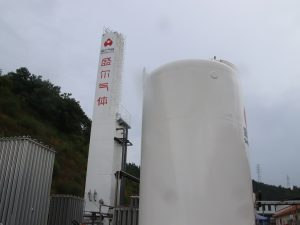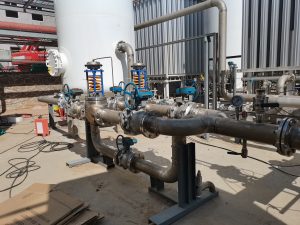
Industrial processes often require a reliable supply of high-purity nitrogen for inerting, blanketing, and other critical functions. On-site nitrogen generation avoids the cost and logistics of cylinder or bulk deliveries. The two primary on-site generator technologies are Pressure Swing Adsorption (PSA) and membrane separation, each with different trade-offs. Choosing the appropriate on-site nitrogen generator depends on the required gas purity, flow rate, and operating conditions.
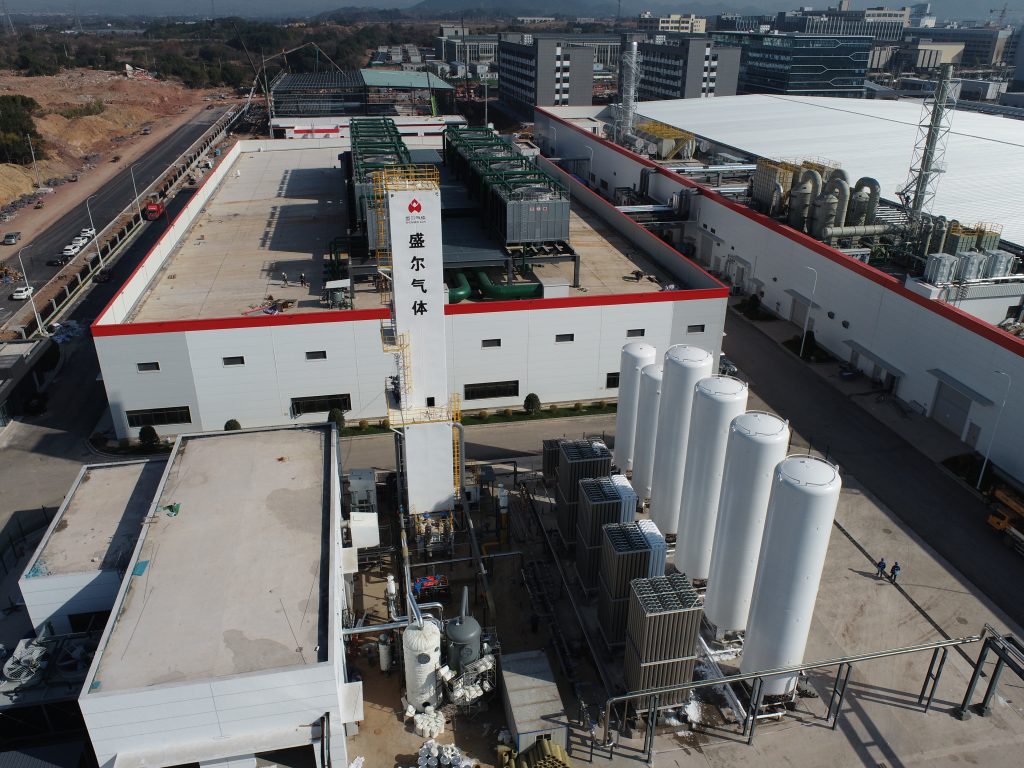
Working Principles
A PSA nitrogen generator separates gases by adsorption. Two pressure vessels contain carbon molecular sieve (CMS). Clean compressed air (typically 6–10 bar) is fed into one vessel; the CMS selectively adsorbs oxygen, moisture, and other trace gases, allowing nitrogen to exit as product. When one vessel is saturated, the airflow switches to the second vessel and the first is depressurized and purged. Alternating these cycles provides a continuous supply of nitrogen.
A membrane nitrogen generator uses semipermeable polymer fibers to separate nitrogen from air. Compressed air (often 6–8 bar) flows through a bundle of hollow fibers. Small molecules like oxygen and water vapor pass through the fiber walls and are vented out, while nitrogen diffuses more slowly and emerges as the concentrated product. A controlled bleed of permeate gas (via a back-pressure regulator) sets the target nitrogen purity. The process is continuous, with no cyclic pressure swings, yielding an immediate, steady output.
PSA Nitrogen Generator Design and Operation
PSA systems use an air compressor, air dryer and filters, and two CMS adsorption beds with control valves. The feed air is dried (typically to –40 °C dew point) and filtered to protect the sieve. Each cycle (10–60 seconds) has one bed adsorb oxygen at high pressure while the other is purged at low pressure. The produced nitrogen is stored in a receiver tank to buffer flow and meet demand spikes. PSA generators can deliver nitrogen at the compressor discharge pressure (often up to 8–10 bar) or above with additional boosting.
Energy use depends on purity and flow. At ~95% N₂ purity, consumption is on the order of 0.2–0.4 kW per Nm³/h; achieving >99% purity requires more purge and energy. PSA units range from small bench-top models (a few Nm³/h) to large industrial plants (hundreds or thousands of Nm³/h). Maintenance includes periodic replacement of the carbon sieve (every few years) and service of valves and filters. The advantage is a reliable supply of ultra-high-purity, large-volume nitrogen.
Membrane Nitrogen Generator Design and Operation
Membrane systems consist of a compressor and one or more hollow-fiber modules, with only minimal air filtration needed (no desiccant dryer). Feed air (6–8 bar) passes through the fibers, and nitrogen-rich retentate is collected at controlled pressure (commonly 3–5 bar).
Inside the membrane, oxygen-rich permeate is vented while nitrogen is retained. A steady bleed of permeate is required; increasing the bleed increases nitrogen purity at the expense of yield. Single-stage membrane generators commonly produce about 90–98% N₂. For very high purity (~99%), multi-stage or hybrid systems can be used. Because there are no high-pressure cycles, the output is instantaneous and smooth on startup. Routine maintenance is minimal (filter changes only); membrane modules typically last 5–10 years. Energy use is relatively low at moderate purity (around 0.1–0.3 kW/Nm³ at 95% N₂) but rises as purity increases.
Comparison of PSA and Membrane Generators
| Feature | PSA Generator | Membrane Generator |
|---|---|---|
| N₂ Purity | Up to 99.9–99.999% | ~90–98% (single stage); up to ~99–99.5% (multi-stage) |
| Flow Capacity | Very wide range: lab-scale to 1000+ Nm³/h | Moderate: up to a few hundred Nm³/h per unit |
| Energy Use | Moderate to high; rises with purity (e.g. ~0.2–0.5 kW/Nm³ at 95%) | Lower at moderate purity; steep increase at top end |
| Maintenance | Medium: replace sieve media, service valves/filters | Low: mainly filter changes; membranes long-lived |
| Startup Time | Minutes (requires pressure build-up and cycling) | <1 min (continuous, immediate output) |
| Footprint | Larger (two towers, piping, valves) | Compact and modular (membrane cartridges) |
| Applications | Ultra-high-purity needs (pharma, electronics, lasers) | General inerting (blanketing, fire safety, etc.) |
PSA generators deliver the highest purity and largest volumes of nitrogen, while membrane units offer a simple, compact solution for moderate-purity applications.
Applications and Use Cases
- Semiconductor and Electronics: Ultra-high-purity nitrogen (>99.99%) is needed to prevent oxidation in wafer fabrication and soldering. On-site PSA nitrogen generators typically supply this quality nitrogen at high pressure and steady flow.
- Laser Cutting and Metal Fabrication: Laser cutting of metals requires high-pressure, oxygen-free nitrogen to achieve clean cuts. Large facilities use PSA systems for the needed purity and flow; membrane generators can suffice for smaller or portable cutters.
- Food and Beverage Packaging: Nitrogen flush displaces oxygen in packaged food and drinks to extend shelf life. Most packaging lines require ~99% N₂. PSA generators serve large packaging operations, while smaller lines may use membrane units (95–98% N₂) for cost savings.
- Chemical and Petrochemical: Nitrogen is used to blanket reactors, tanks, and pipelines. For routine blanketing (~95% N₂), membrane generators are efficient. When very low oxygen is needed (e.g. in pharmaceutical or fine chemical processes), PSA systems provide the ultra-high-purity nitrogen.
- Oil & Gas: Offshore platforms use nitrogen for purging and maintenance. Compact membrane generators are popular for line and tank inerting (~95% N₂). On large onshore facilities, PSA systems may supply continuous high-purity nitrogen as needed.
These examples show that high-purity, high-demand applications favor PSA technology, while moderate-purity or decentralized needs can often be met by membrane systems.
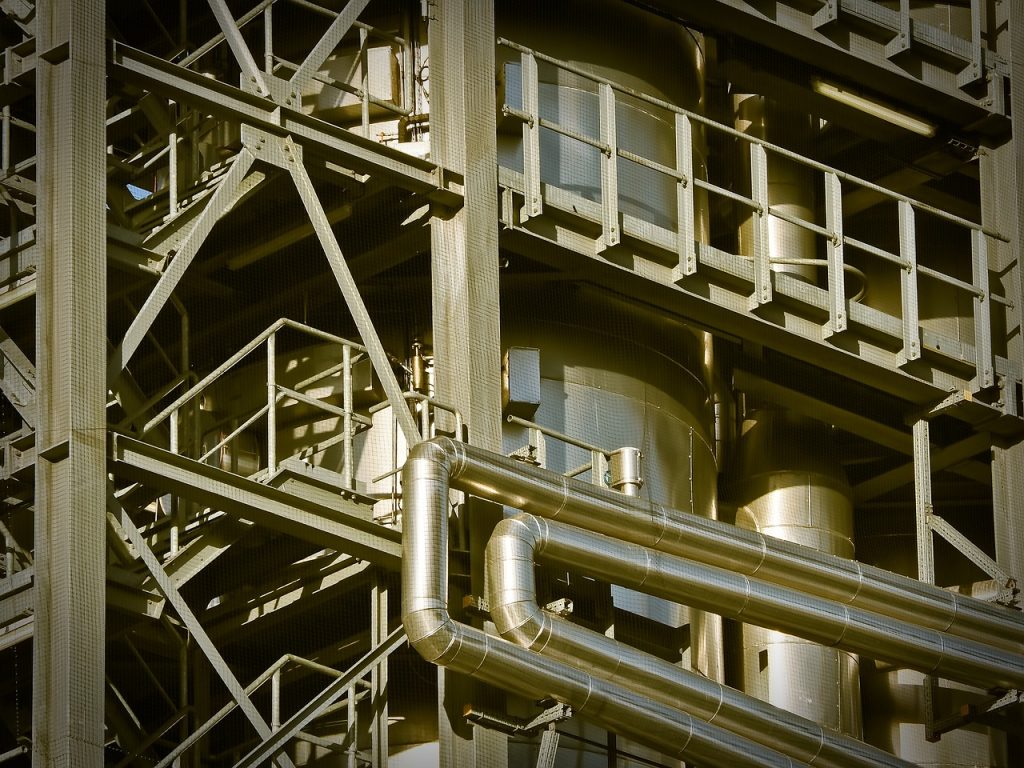
Design Considerations
Key factors for an on-site nitrogen generation system include:
- Compressed Air Quality: A clean, dry air supply is critical. PSA units typically require about –40 °C dew point and oil-free air to protect the CMS. Membrane units need only basic filtration (oil and particulates). Inadequate air treatment will degrade performance and lifetime.
- Pressure and Storage: Both systems usually run on ~6–8 bar feed air. If the process requires higher-pressure nitrogen (e.g. >8 bar), additional boosters or compressors may be needed. A receiver tank after the generator is commonly used to buffer pressure and meet peak demand.
- Controls and Monitoring: Modern generators use automated controls. PSA systems include valves and often oxygen sensors to maintain purity. Membrane systems use pressure regulators. Remote monitoring and diagnostics (Industry 4.0 features) enable predictive maintenance and quick fault detection.
- Space and Installation: Membrane units are compact and can fit in constrained spaces. PSA systems require more room for two vessels, piping, and control hardware. Both can be skid-mounted. Plan for ventilation (to remove compressor heat and vent exhaust) and ensure proper electrical and safety clearances.
- Safety: Oxygen-enriched waste must be vented safely. Use pressure-relief valves and consider oxygen sensors in enclosed areas. Nitrogen itself is inert but can displace oxygen, so proper ventilation is important. Compliance with pressure vessel and electrical safety standards is required.
Recent Trends in Nitrogen Generation
- Automation and Smart Controls: New systems feature digital PLC controls, real-time monitoring of purity and flow, and remote connectivity. Predictive maintenance alerts (for filters, sieves) improve uptime and efficiency.
- Advanced Materials and Efficiency: Improved carbon sieve and membrane materials increase separation efficiency. Modern designs achieve required purity with lower energy. Variable-speed drives and optimized purge cycles further reduce power use.
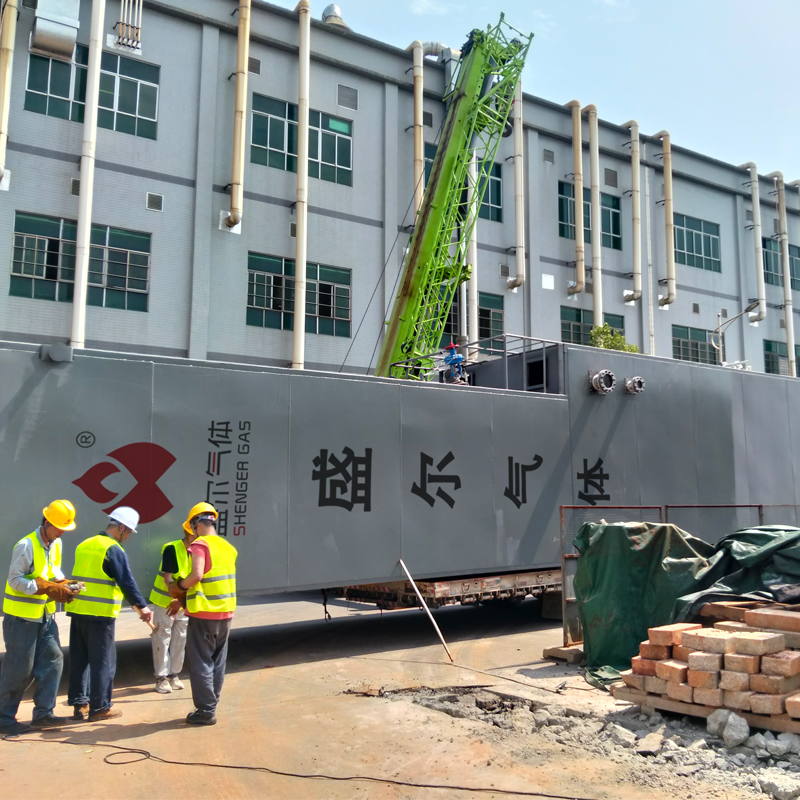
- Modular and Portable Systems: Skid-mounted plug-and-play generators (compressor, dryer, generator) simplify installation. Portable trailer- or container-mounted units provide nitrogen to remote or temporary sites. Compact bench-top generators serve lab and specialty applications.
- Sustainability and Growth: On-site generation cuts emissions and costs compared to delivered gas. Industries (food, pharma, electronics) are adopting nitrogen generators to meet stricter purity standards and environmental goals. Market forecasts show strong growth in on-site nitrogen generator adoption worldwide.
Conclusion
PSA and membrane technologies are complementary solutions for on-site nitrogen supply. PSA nitrogen generators produce the highest purity (up to 99.999%) and can meet very large flow and pressure requirements, making them ideal for advanced industrial applications. Membrane nitrogen generators are simpler and more compact, providing cost-effective nitrogen (typically 90–98% pure) for general inerting and blanketing tasks. Choosing the right nitrogen generator for the required purity and flow ensures a reliable, cost-effective nitrogen supply.